
The post How to Read Your Tenants’ Minds: The Psychology of Decision Making in Real Estate appeared first on Saar Management Blog.
]]>
Being an effective property manager means that you have to understand the psychology of the people who rent your properties. It's not enough to simply bring them in and show them around, you need to think about how they feel while they're doing it. You need to consider things like whether or not they like the color of the walls, whether they feel as though their space is intimate enough, and whether they believe that your facilities are clean and welcoming enough.
Basics of The Psychology of Decision Making
- Framing Effect – our tendency to place more weight on information that is presented first or framed as the best option.
- Anchoring bias – our tendency to give too much weight to an initial piece of information.
- Availability bias – our inclination to base choices on information that has been recently considered or researched.
- The Compromise Effect – our impulse when making a difficult decision (or being asked by someone else) by choosing a middle ground between two undesirable options.

Understanding your tenants psychology
A positive step to understanding your tenants is understanding the psychology of decision making. Due to the fact that a tenant may or may not spend a great deal of time examining their options, as there are a lot of them, real estate professionals are essential to present opportunities and to put your property in the forefront of their mind. Having an outstanding web presence can also be crucial to reaching potential renters. To get started, consider these basic principles of psychology in real estate.
Consider Personalization
Personalization is imperative; many companies work by offering a one-size-fits-all solution without paying attention to what would best suit the needs of each individual client. When you personalize your approach, you offer something for everyone and no one has any reason to pass up on your offer. For example, if you're going to market an apartment building, focus on why someone should live there rather than just saying it's a nice place. Showcase amenities like new appliances or plenty of nearby parks. Provide videos with 360 views so people can see everything your property has to offer.
Using your clients’ names, nicknames, and even favorite colors and hobbies can build rapport. It may also be good for business: Personalization helps people remember you—and remember you favorably. Plus, humans are hardwired to connect with other humans; personalizing will make it easier for your tenants to see you as a person (and not just the property manager). If a resident sees his or her name on a welcome note taped near their mailbox when they move in, it gives them a friendly nudge that they’re welcome there. Even if they never speak to you again, that small gesture says something important about how they should treat their home.

Priming effect
The priming effect in sales is a psychological phenomenon in which certain stimuli (or some unnoticed aspects) can have a large, measurable effect on your future behavior. In real estate, this can be used as a tool to incentivize tenants into leasing your property. These incentives are most effective when the tenant is looking for a place that already fulfills the incentive that you offer. For example, if a tenant has been looking for a pet-friendly apartment and you mention how close your building is to an animal hospital or how many dog parks are nearby, they will feel like they've won the lottery.
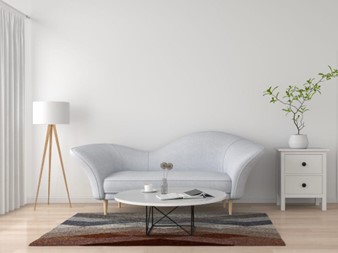
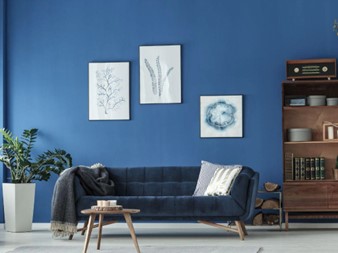
Another way to prime them is by providing things that make them feel at home–things such as furniture or even curtains–to get them started in their new apartment right away. Staging your unit to prime your prospects to imagine activities they will make in their future apartments such as watching TV, cooking, eating, sleeping etc, is a great way to create emotional connection.
Emotional Connection
The role emotions play while we’re making decisions is often misunderstood. On one hand, we are taught that logic and reason should trump emotion, while on the other, our emotions tell us otherwise. Studies have proven that humans have an emotional connection with a person or place and as a landlord, it is your job to create a positive connection with your tenants. Understanding their emotions will give you space and leeway while communicating with them. You can draw out their positive emotions when communicating via email or text by using appropriate emoticons (smileys), or setting up face-to-face meetings where you can give them attention and show compassion towards their needs.

Stay Professional
Professionalism goes hand-in-hand with personalization and should always come first when considering how to advertise a property. Letting your personality come through is a great way to make tenants feel more at home, but you can take it too far. It’s important that professionalism reigns supreme as well. This means always maintaining strong boundaries with all of your tenants and refraining from turning into their therapist or personal concierge service.
Avoid being overly personal; doing so could confuse things or damage your business relationships if things don’t work out. If a tenant ever wants advice on her personal life—about anything—let her know that you are there for questions regarding leasing, maintenance, or repairs and redirect her if necessary.
Incorporate Surprise
To reach a certain person's Surprise emotion, a new tenant must be introduced to something they don't expect. For example, when tenants are shown their new apartment and the landlord goes through how everything works step-by-step before they enter, it will make them feel more secure. Another way is giving someone a welcoming gift that they weren't expecting such as flowers or chocolates when they move in. Small gestures like these go a long way!
Use Proximity Effect
One simple way to make your renters want something is proximity effect. If your tenants live near an item or service, they’re more likely to want it. For example, if there’s a doughnut shop nearby, people will be more interested in buying doughnuts than if there was no store nearby. Try making proximity effects work for you by marketing items and services that are within walking distance from where your tenants already are.
Conclusion
By understanding your tenants psychology, you will be setting yourself up for a successful, long-term relationship. Setting your property apart with details and features that have positive associations with the tenant, rather than the more generic aspects can help establish trust. Providing all of the information needed to make a decision also shows that you're interested in their needs, which creates positive feelings. Taking an interest in them as people and showing appreciation for them as customers is key to making sure they're satisfied and staying at your property for years to come.
The post How to Read Your Tenants’ Minds: The Psychology of Decision Making in Real Estate appeared first on Saar Management Blog.
]]>The post How to Create an Inviting and Pleasant Experience for Residents? appeared first on Saar Management Blog.
]]>Create a Strong First Impression
The first seconds, minutes, and hours someone spends in your place will shape their overall opinion of it. Make sure you don’t leave anything to chance! A place design is a combination of both form and function. You’ll need to consider how each space functions in relation to its residents, but you’ll also want it to be pleasing.
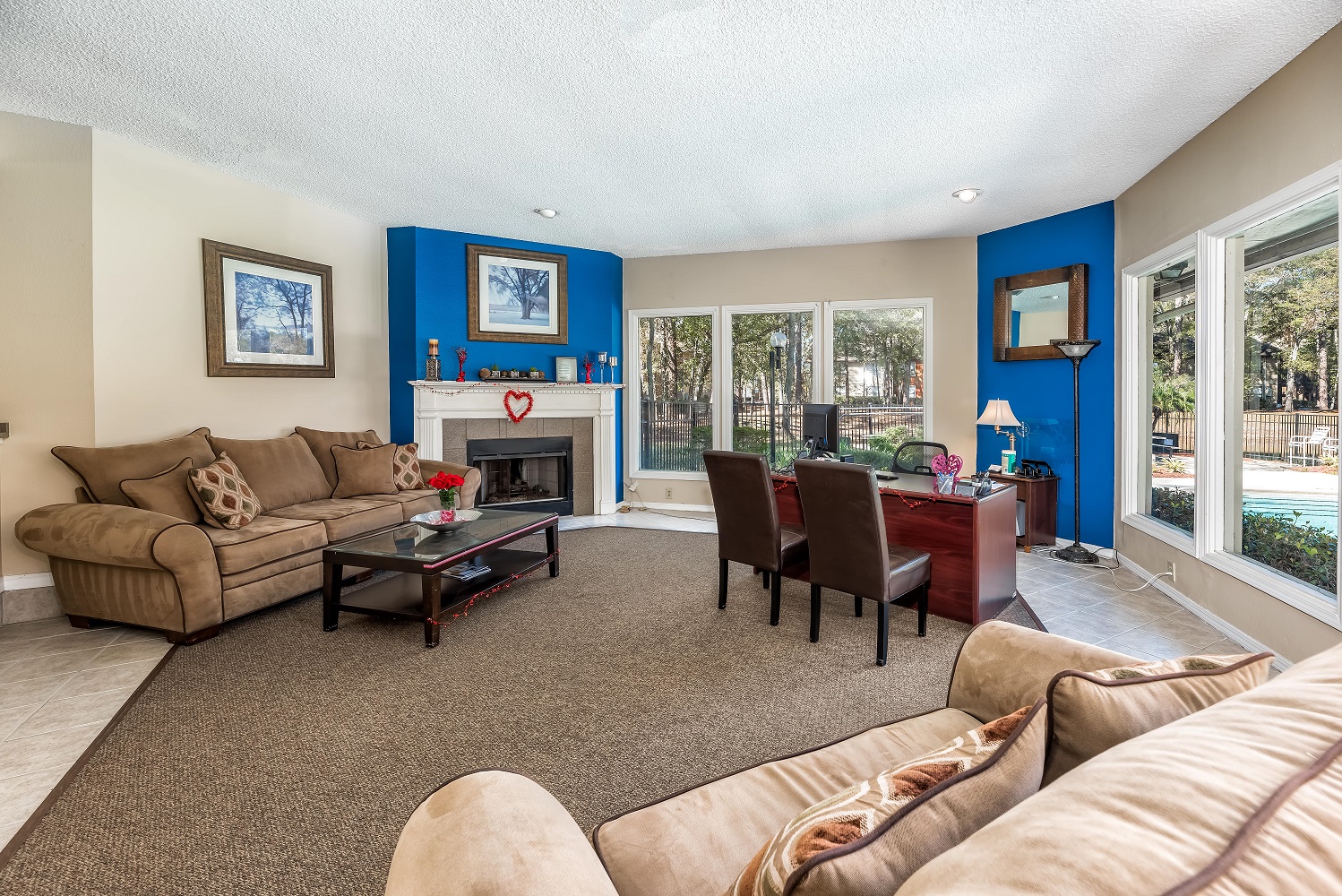
The lobby area should be comfortable, with easy access to amenities like mailboxes and elevators. When designing your lobby, aim to create a welcoming and comfortable feeling. Lighting, furniture style, and color are all factors that will influence your guest's perception of your apartment community.
Does your parking lot give off a welcoming vibe? Is there greenery outside? Is it easy for guests to find their way around — or is there something confusing about how you've laid out your space? Also, keep in mind that, when possible, you should do follow-up surveys with new residents after they move in. While some information provided from your tenants is still speculation, it can give you even more insight into what people are looking for in a living situation.
Choose the Right Colors
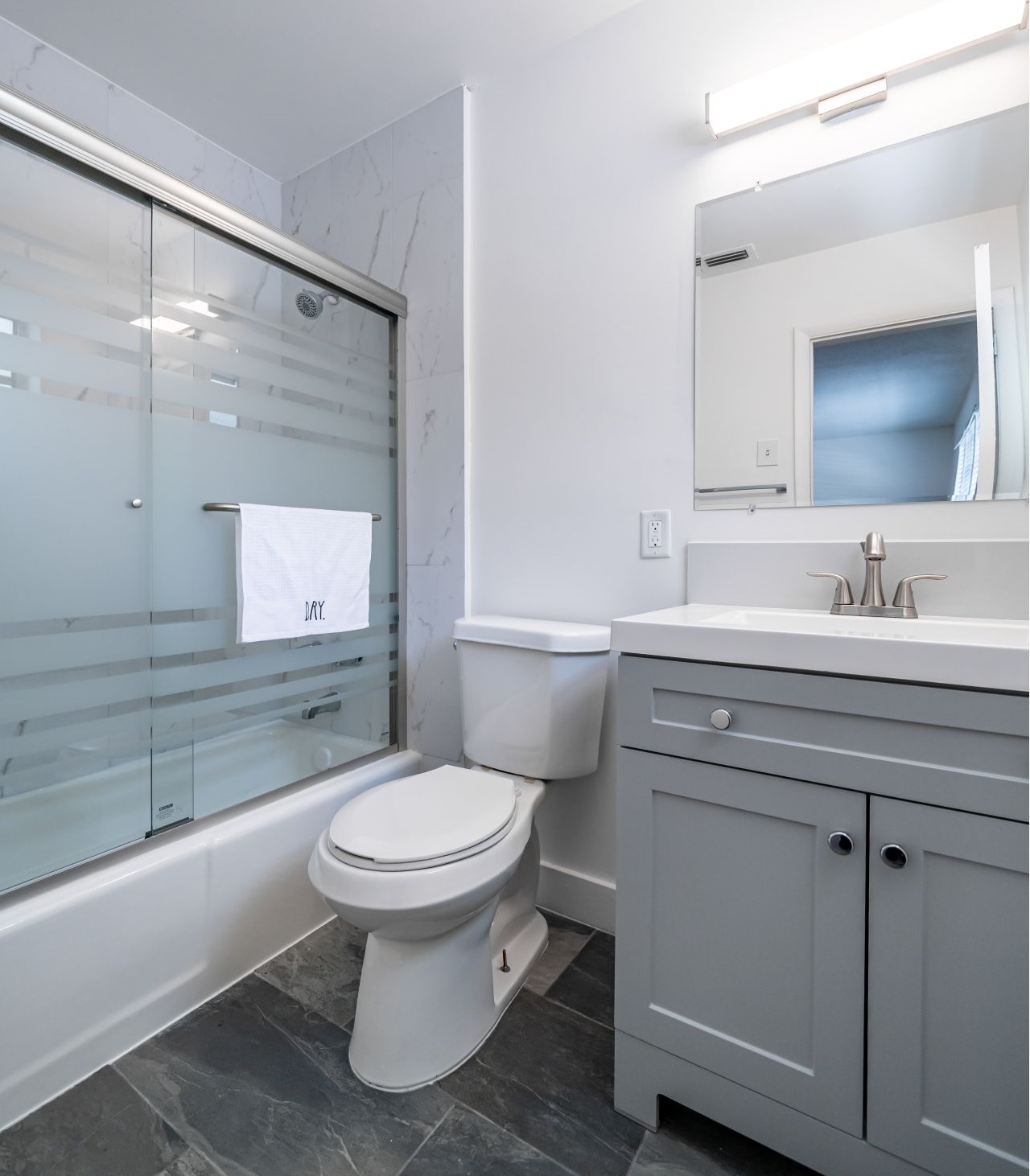
Color is a powerful way to affect your mood. While we may not realize it, color can subconsciously affect us. Take, for example, how warm colors make us feel more cheerful while cool colors are relaxing. These effects are being used in place design all over. Warm colors like reds or yellows evoke a feeling of happiness, and use cool blues and greens to lull you into relaxation during your stay. Bathrooms are frequently claustrophobic spaces, so designers often choose calming tones with soft edges to help alleviate some of that anxiety. Bathrooms also tend to be small spaces, so designers will usually stick with neutral colors (like white) as they don't take up much visual space.
Use Cues from Nature
One way to create a cozy atmosphere is by mimicking elements found in nature, such as sunsets, blossoming trees, or a vast ocean. Landscaping is one-way property managers can infuse their spaces with these visual cues. Research has shown that specific colors can decrease anxiety and stress levels, such as blue tones. That's why many modern art galleries use blue hues as backgrounds on paintings to influence visitors' moods positively.
The illusion of more space
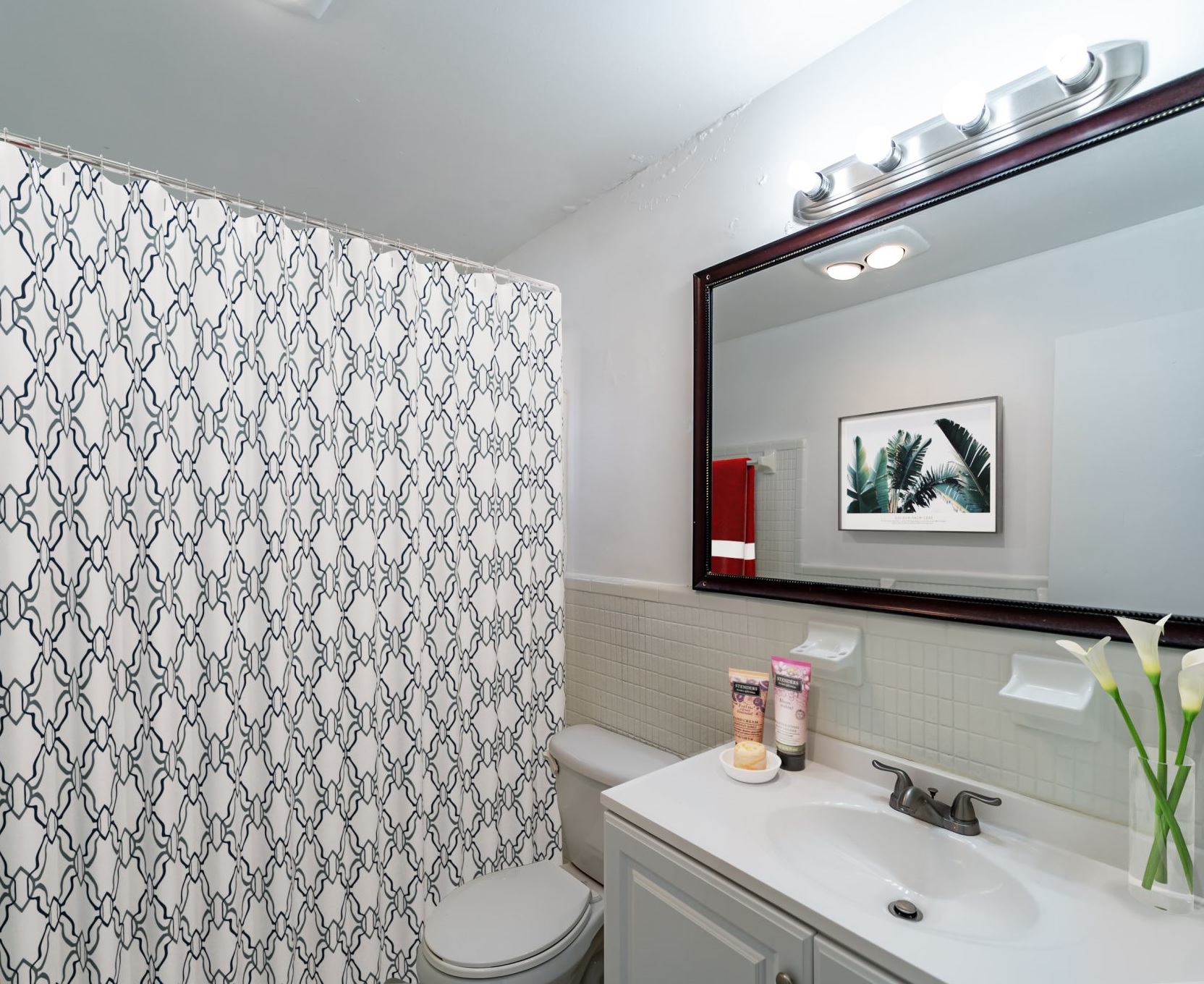
The few minutes that a guest spends in a building are critical; it's essential to make an excellent first impression and create a feeling of comfort. With larger common areas and several large spaces, residents feel like they have more space than is actually available. For example, interior designers use mirrors to give off an illusion of greater space by making objects appear farther away or closer together. Even something as simple as paint colors can help with perception: For example, white walls reflect light, making them seem brighter and larger than painted walls. Likewise, dark colors will make rooms appear smaller and darker overall. Shower curtains removal in favor of glass doors is favorable for two reasons. First, it can make a bathroom feel larger because you can see more space on each side, rather than having a heavy fabric blocking your view. Secondly, Glass shower doors are perceived by renters as more elegant than shower curtains.
Strategically Place Greenery
Studies show that greenery can do wonders for your stress levels, which makes it a key element in building a place design. But there's more than one way to incorporate plants into your property management business; you can choose from indoor plants, outdoor landscaping, or both. Indoor plants are great because they don't require much upkeep. However, you have to be careful about how many you have at once. Too many and it will feel cramped; too few, and residents might feel like their living space lacks something. You should also think about how many plants you want per square foot and what kind of green spaces would best suit your location. It would be best to consider things like sunlight exposure and temperature requirements when selecting plant species. Outdoor landscaping is excellent because it gives residents a chance to enjoy the fresh air and natural beauty while also allowing direct contact with nature, reducing stress even further.
Don’t Forget About Lighting
In residential projects, lighting is frequently treated as an afterthought or added to be as cheap as possible. Light is often the most powerful tool for setting a mood or conveying your brand's message; it can also quickly go wrong. An ill-considered design will make you feel uncomfortable, confused, or embarrassed, all bad feelings that don't do much for sales. There are plenty of places you can cut corners without affecting your end users' experience significantly. Still, light fixtures aren't one of them. A little extra money spent up front goes a long way towards making people feel comfortable with you and encouraging purchases down the line.
Encourage Physical Activity with Active Spaces
Studies show that our minds and bodies are closely linked. When we create surroundings that encourage physical activity, we're more likely to be active. Creating outdoor rooms or decks where they can kick back and relax with family members or friends will encourage residents to take a stroll during their stay. Adding elements such as a hammock, rocking chairs, or sofas around a fire pit is a great way to get people moving while enjoying some downtime.
Select Music That Induces Positive Mood
Music has been shown to affect various emotions, depending on your musical preference. For example, you can use upbeat music with a solid tempo to encourage patrons to be happy. Alternatively, selecting slower music with soft tones can help induce feelings of relaxation. Ideally, you'll want whatever music you choose to be unobtrusive yet pleasing — in other words, non-distracting but pleasant. In general, it's best to avoid using music that might negatively impact your guests' experience.
Take Advantage of Strong Scents
The science of scent marketing (also called aromatic design) is relatively new. Still, it's proven itself as a viable way to influence emotions. Scent has even been shown to change our behavior subconsciously. For example, different scents can make us feel more or less energetic; citrus scents are known to boost energy levels, while lavender can help you relax. You can take advantage of these psychological reactions by using pleasant aromas in your place design — whether through lighting candles, diffusing essential oils, or scent diffusers. But remember that not all scents work for every space — which means you might have to experiment with several options before finding something that works well on your property.
Tying it Together
One fundamental way to influence our behavior is through emotion. Creating a positive, welcoming vibe with music, lighting, and art on your property can be pretty effective if you simultaneously communicate high service standards. Make sure that your guests feel at home, but do it in a professional manner.
Creating a strong emotional connection between residents and their living space will help ensure they stay longer, pay more rent, and recommend your property to others. If you want happy residents who are willing to pay more rent every month, create a pleasant environment where they can feel comfortable from day one.
The post How to Create an Inviting and Pleasant Experience for Residents? appeared first on Saar Management Blog.
]]>